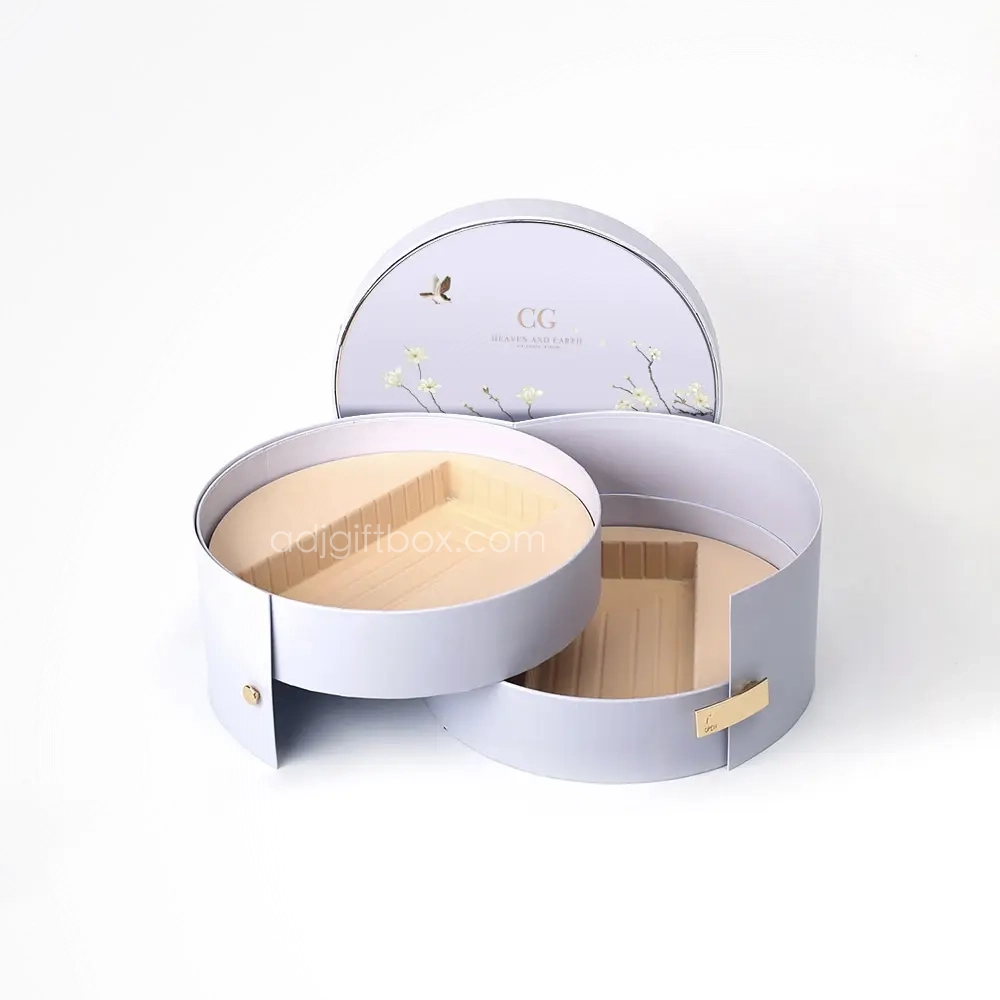

In the world of confectionery, the packaging of chocolate plays a pivotal role in shaping customer perception and influencing purchasing decisions. While the taste of chocolate is the ultimate driver of satisfaction, its exterior presentation can often make or break a sale. With competition in the chocolate market becoming increasingly fierce, brands must invest in creative, attractive, and functional packaging to stand out.
Let’s explore some of the trends and tips that can help in crafting a memorable chocolate packaging design.
If you are interested, feel free to contact us.
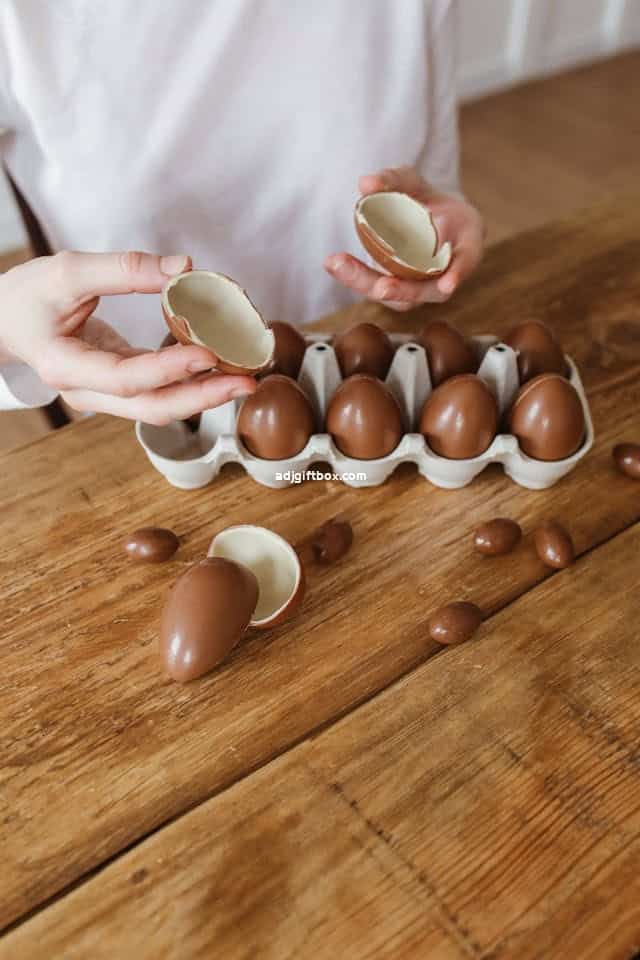
1. Prioritize Eye-Catching Visuals
A consumer’s first interaction with a chocolate brand often begins with its packaging. Unique designs that instantly capture attention are vital in creating a strong first impression. From bold colors to elegant typography, every element of the packaging should work together to reflect the brand’s identity. Using striking imagery, intricate patterns, or even minimalistic designs can help your product make an impact on the shelves.
2. Sustainability Matters
As environmental concerns become a larger part of consumer purchasing decisions, sustainability in packaging is more than just a trend—it’s becoming an expectation. Eco-friendly packaging, such as biodegradable materials or recyclable wrappers, not only reduces environmental harm but also positions a brand as socially responsible. Chocolate brands that embrace this approach often enjoy heightened loyalty from eco-conscious consumers.
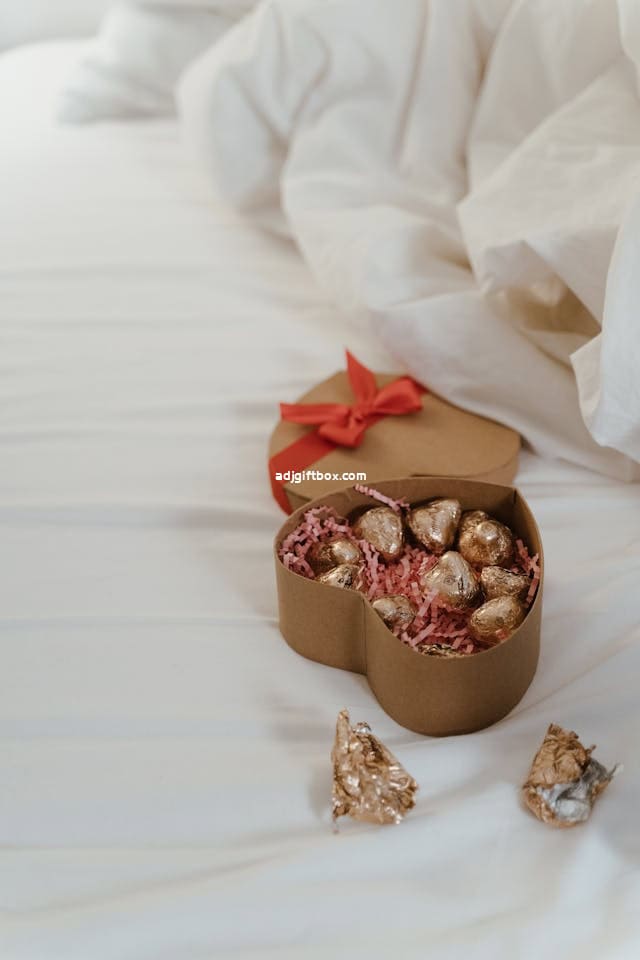
3. Emphasize the Unboxing Experience
The rise of social media and unboxing culture means that packaging isn’t just about appearance anymore—it’s about the experience. The sensation of peeling back layers, unveiling the chocolate, and interacting with the packaging can create a memorable connection with the consumer. Incorporating layers, embossed logos, or even small surprises inside the packaging can elevate the unboxing experience.
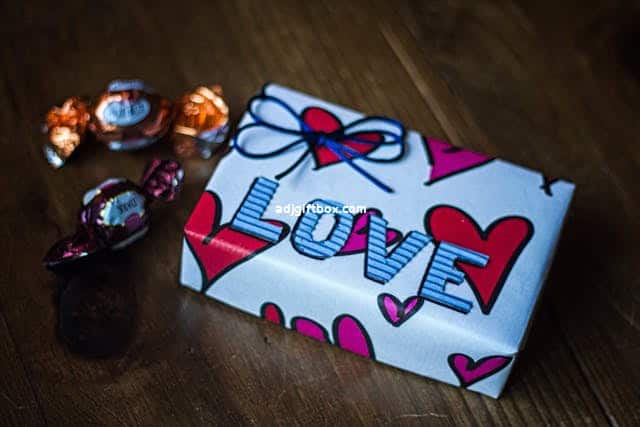
4. Play with Colors and Textures
Chocolate packaging can be a canvas for creativity, where the blend of colors and textures offers an extra sensory experience. Matte finishes, glossy highlights, or even textured wrappers can all add a tactile dimension to the product. Pairing this with thoughtfully chosen color schemes that reflect the flavor profile or target audience can help create an emotional appeal.
5. Communicate Your Brand’s Story
Every brand has a story, and packaging is a perfect medium to share that narrative with consumers. Whether it’s the story of ethically sourced cocoa beans, the artisan techniques used to create the product, or the cultural significance of the chocolate, sharing these details can foster a deeper connection with buyers. Storytelling through packaging not only gives your brand a unique voice but also builds consumer trust.
6. Transparency in Ingredients and Origin
More and more consumers are looking for transparency in the products they purchase. Clearly labeling ingredients, detailing the origin of your chocolate, and even explaining the manufacturing process can add value to your packaging. People appreciate brands that are open and honest, especially in the food industry, and this level of transparency can be a differentiating factor in a crowded market.
7. Functionality Shouldn’t Be Overlooked
While aesthetics are important, functionality is equally crucial. A well-designed package should be easy to open, store, and reseal. Chocolates are delicate, so ensuring that the packaging protects the product from heat, moisture, and other environmental factors is essential. Additionally, the packaging should be designed to preserve the freshness and quality of the chocolate for as long as possible.
8. Keep It Consistent with the Brand Image
One key aspect of chocolate packaging design is consistency with your overall brand image. The look and feel of the packaging should align with your brand’s message and values. For instance, a premium chocolate brand may want to use luxurious materials and sophisticated designs, while a playful, child-friendly brand might opt for bright colors and fun graphics.
9. Use Packaging as a Marketing Tool
Don’t underestimate the power of packaging as a marketing tool. Apart from simply holding the product, it can serve as a direct communication channel with your customers. Incorporating QR codes, social media handles, or promotional messages can turn your packaging into an interactive experience, encouraging repeat purchases or driving customers to engage with your brand online.
10. Adapt to the Occasion
Seasonal and limited-edition packaging can boost sales during specific times of the year. Whether it’s festive-themed designs for holidays or special packaging for collaborations, limited-edition products often create a sense of urgency, encouraging consumers to purchase before they miss out. This adaptability can also strengthen brand loyalty as customers look forward to new releases.
Conclusion
Chocolate packaging design is about more than just wrapping—it’s a vital part of the consumer experience that can influence both first-time purchases and long-term brand loyalty. By balancing creativity, functionality, and sustainability, chocolate brands can craft packaging that not only protects their product but also excites, engages, and resonates with consumers. As the market evolves, the brands that invest in innovative packaging will continue to lead the way in customer satisfaction and sales growth.
Our custom packaging meets the needs of a wide range of industries including Leisure & Food, Fashion & Apparel, Beauty & Skin Care, Electronics & Digital, Home & Living, Business & Gifts. Such as moon cake packaging, chocolate packaging, perfume packaging, cosmetic packaging, etc.
About us-learn more about us
Contact us-Access to our specialist services
They choose us