
In the world of printing and design, paper choice plays a significant role in the quality and perception of printed materials. One of the most crucial factors in determining paper quality is GSM, an abbreviation for “grams per square meter.” But what exactly is GSM, and how does it affect the final product? In this article, we’ll dive deep into the world of GSM paper, explaining its importance, how to choose the right GSM for your needs, and its impact on different printing projects.
What Does GSM Mean in Paper?
GSM stands for grams per square meter. It’s a unit of measurement that indicates the weight of paper in grams if you were to measure a 1m x 1m square of it. The higher the GSM value, the heavier and thicker the paper will be. This measurement is standard in the paper industry and helps printers, designers, and consumers differentiate between various types of paper, even if they feel quite similar in texture or thickness.
For example:
- 80 GSM paper is commonly used for standard office printing.
- 150 GSM paper might be used for posters or higher-quality brochures.
- 300 GSM paper is typically thicker and used for business cards or high-end packaging.
The difference in GSM can significantly impact how the paper feels, looks, and performs when printed.
Why GSM Matters in Paper Selection
When selecting paper for a specific printing project, understanding GSM is critical because it affects not only the appearance but also the durability and usability of the printed material. Let’s take a look at why GSM matters.
1. Paper Durability and Strength
The heavier the paper, the more durable it is. A high GSM paper, like 250-350 GSM, will withstand more handling and wear compared to a lower GSM, such as 80-100 GSM. For example, invitations, postcards, or product packaging are typically printed on higher GSM paper to ensure they remain intact through shipping, handling, or frequent use.
2. Print Quality
Higher GSM paper tends to deliver a superior print quality because the paper is thicker and provides better support for ink. This prevents ink from bleeding through or distorting the images, making it a great choice for high-resolution graphics or intricate designs.
3. Perception of Quality
The weight of the paper often affects how the final product is perceived by the recipient. A thick, high-GSM paper feels more substantial and luxurious, which is why it’s often used for business cards, wedding invitations, or premium brochures. On the other hand, low GSM paper might feel flimsy, which could detract from the professionalism of your printed materials.
4. Cost Considerations
Heavier GSM paper typically costs more due to the amount of material used. When planning a print project, it’s important to balance your budget with the paper’s weight. For large-volume print jobs like newsletters or flyers, lower GSM paper (e.g., 90-120 GSM) can be more cost-effective, while higher GSM paper should be reserved for more exclusive, high-quality items like book covers or presentation folders.
Common GSM Ranges for Different Paper Products
Understanding the typical GSM ranges for various paper products can help you make informed decisions when selecting paper for a project. Here’s a breakdown of common uses based on GSM.
50-90 GSM: Lightweight Paper
This category includes some of the lightest types of paper, which are often used for everyday printing, like:
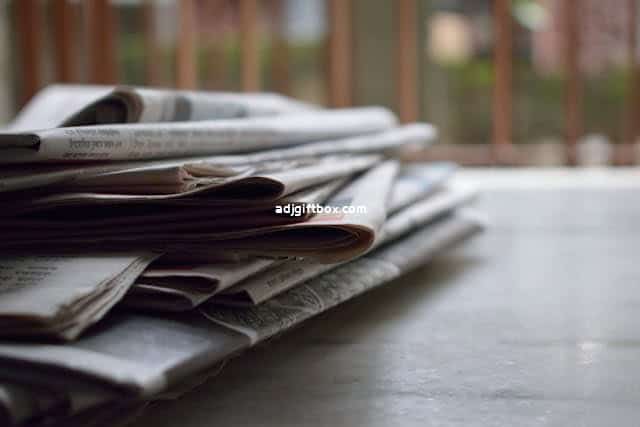
- Newspapers: Typically around 50-55 GSM. The lightweight nature makes them easy to fold and distribute.
- Basic Office Paper: Around 70-90 GSM, this is used for printing emails, documents, or everyday correspondence. It’s lightweight, cost-effective, and commonly found in office settings.
90-170 GSM: Medium Weight Paper
Moving up in weight, this range includes paper used for higher-quality prints that need a bit more durability:
- Brochures and Flyers: Typically 90-150 GSM. These are still easy to fold but more durable than standard office paper. They offer a higher-quality finish, especially for color printing.
- Posters: Often printed on 150-170 GSM paper, offering durability while still being easy to handle and pin up.

170-300 GSM: Heavyweight Paper
This range of GSM includes paper for more premium, thicker products that require durability and a high-quality finish:
- Premium Flyers and Brochures: At the higher end of the GSM scale, thicker paper provides a more luxurious feel.
- Greeting Cards and Invitations: Typically around 250-300 GSM, providing sturdiness and a professional, polished finish.
- Business Cards: Often printed on paper around 300-350 GSM, which ensures they’re rigid, durable, and convey a professional appearance.
Above 300 GSM: Extra Heavyweight Paper

Paper in this GSM range is thick and durable, often used for specialty printing:
- Business Cards: Business cards frequently use paper that is over 300 GSM, as they need to be robust and durable.
- Packaging: Some packaging, especially for luxury products, can use paper over 350 GSM to ensure both durability and a premium feel.
Factors to Consider When Choosing Paper GSM
Selecting the right GSM involves more than just picking a number. Several factors should be considered to ensure the best outcome for your printing project.
1. Intended Use
Consider what the paper will be used for. A flyer handed out in a busy city street might not need the same GSM as a wedding invitation, which will be handled carefully and kept as a keepsake.
2. Ink and Printing Method
Certain printing methods require specific paper types. For example, digital printing generally works well with lower GSM paper, while offset printing may require a thicker stock to achieve the best results.
3. Finish and Coating
GSM isn’t the only factor that affects paper quality; the finish also matters. Glossy finishes, matte finishes, or UV coatings can enhance the look and feel of the printed piece. Heavier paper tends to support coatings better, giving the final product a more polished appearance.
4. Folding and Mailing
If your printed material needs to be folded or mailed, you’ll want to choose a GSM that allows for easy handling without cracking or bending too easily. Heavier GSM paper can sometimes crack at the fold if not scored properly, while lighter paper can be easier to fold and handle.
The Relationship Between GSM and Paper Thickness
While GSM measures the weight of the paper, it’s also closely related to paper thickness. Generally, the higher the GSM, the thicker the paper will be. However, GSM alone does not always indicate thickness, as different types of paper (such as coated vs. uncoated) can have different thicknesses even if they have the same GSM.
For example:
- Coated paper (like glossy or matte finishes) is often thinner than uncoated paper of the same GSM because the coating adds weight without much bulk.
- Uncoated paper tends to be bulkier and might feel thicker, even if the GSM is the same as a thinner coated paper.
Conclusion: Why GSM is Essential for Quality Printing
GSM is a fundamental aspect of paper selection that directly affects the quality, durability, and appearance of printed materials. Whether you’re printing business cards, brochures, posters, or flyers, choosing the right GSM ensures that your final product not only looks good but feels appropriate for its intended use. Heavier paper conveys a sense of quality and professionalism, while lighter paper can be more cost-effective for mass distribution. Understanding the nuances of GSM can help you make better decisions in your printing projects, resulting in professional, polished materials that leave a lasting impression.
For example:
- Coated paper (like glossy or matte finishes) is often thinner than uncoated paper of the same GSM because the coating adds weight without much bulk.
- Uncoated paper tends to be bulkier and might feel thicker, even if the GSM is the same as a thinner coated paper.
Our custom packaging meets the needs of a wide range of industries including Leisure & Food, Fashion & Apparel, Beauty & Skin Care, Electronics & Digital, Home & Living, Business & Gifts. Such as moon cake packaging, chocolate packaging, perfume packaging, cosmetic packaging, etc.
About us-learn more about us
Contact us-Access to our specialist services
They choose us