Flexographic printing, commonly referred to as flexo printing, is a versatile and high-efficiency printing technique that has gained prominence across various industries, especially packaging. It is particularly favored for its ability to print on diverse substrates such as plastic, paper, foil, and cellophane, making it an ideal choice for high-volume production. Whether you’re producing labels, packaging, or more intricate designs, flexographic printing offers a cost-effective solution with consistent results.
In this comprehensive guide, we’ll explore the intricacies of flexographic printing, from how it works to its advantages, common applications, and industry impact.
What is Flexographic Printing?
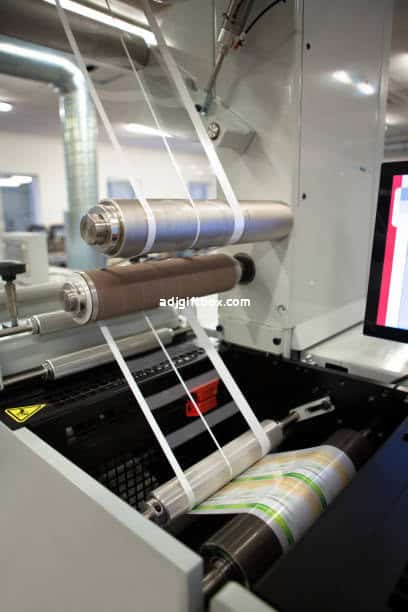
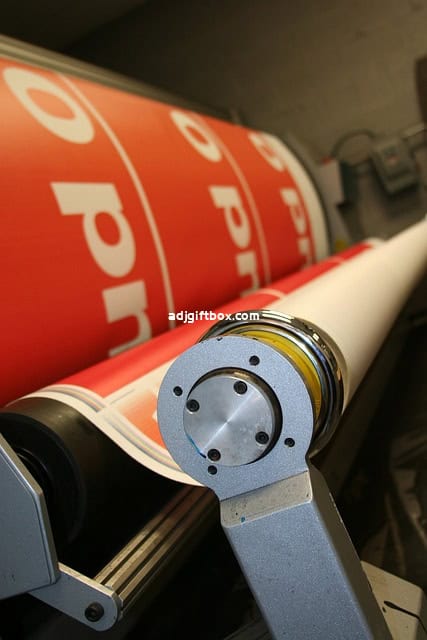
Flexographic printing is a modern adaptation of traditional letterpress printing, where a flexible relief plate is used to transfer ink onto a wide range of substrates. These photopolymer plates, typically made of rubber, are mounted on a rotating cylinder. As the plates move, they pick up ink from an anilox roller and transfer it onto the substrate in a continuous motion.
This method of printing is particularly popular for packaging and labeling because of its speed and flexibility. Flexo printing accommodates various ink types, including water-based, solvent-based, and UV inks, providing versatility for different material and product requirements.
The Evolution of Flexographic Printing
Flexography, while advanced today, has roots going back to the late 19th century. Initially known as aniline printing, it was rudimentary and limited by ink types and plate quality. Early flexographic printing produced prints that were far from precise due to the basic materials available at the time.
Over the decades, advances in technology, especially in the development of photopolymer plates and more sophisticated ink formulations, have propelled flexo printing into a leading role in the modern printing industry. Today’s flexographic printing machines incorporate digital control systems, laser-engraved plates, and improved drying mechanisms that allow for sharper images, faster production, and better quality control.
How Flexographic Printing Works
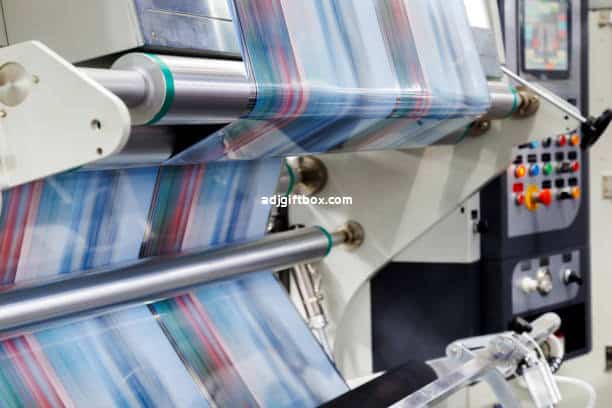
Flexographic printing operates through a streamlined, efficient process that enables fast turnaround and high-volume production. Here’s a breakdown of how it works:
Design Creation and Plate Production: The process begins with designing the artwork. This artwork is then transferred onto a flexible photopolymer plate. The image is raised on the plate’s surface, meaning the ink will only be applied to the raised areas when printing.
Mounting the Plates on Cylinders: The flexible plates are wrapped around cylindrical rollers, ensuring that the raised image is aligned correctly for printing. Each color in the design requires its own plate.
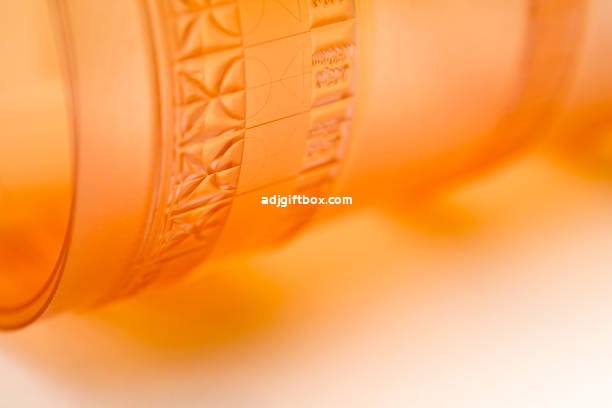
Inking Process with the Anilox Roller: Ink is transferred from an ink pan to an anilox roller, a critical component designed to measure and deliver the right amount of ink to the plates. The roller’s engraved cells determine how much ink is transferred to the printing plate, ensuring accurate and consistent coverage.
Transfer of Ink to Substrate: As the substrate (such as plastic, paper, or cellophane) moves through the press, the inked image from the plate is pressed onto it. This process is repeated across multiple rollers, each applying a different color to achieve the final design.
Drying and Finishing: Once the ink is applied, the substrate passes through drying sections to ensure quick ink setting. This is especially important when using fast-drying UV or water-based inks. The final product is then cut, rolled, or shaped as needed.
Flexographic Printing Inks
One of the strengths of flexographic printing is its compatibility with various types of inks. The three most common ink types used in flexographic printing include:
- Water-based inks: Environmentally friendly and suitable for porous substrates, these are commonly used for printing on paper and cardboard.
- Solvent-based inks: These inks are ideal for non-porous materials such as plastics and foils. They offer excellent durability but can be less environmentally friendly than water-based alternatives.
- UV-cured inks: These are fast-drying inks cured using ultraviolet light. They offer high-quality, sharp results and are particularly popular in food packaging due to their quick drying and low volatility.
Common Applications of Flexographic Printing
Flexographic printing is used in a variety of industries due to its speed, versatility, and cost-effectiveness. Here are some of the most common applications:
Packaging: One of the largest users of flexo printing is the packaging industry. Whether it’s for flexible packaging like plastic wraps or rigid packaging like cardboard boxes, flexo is favored for its ability to print large volumes at high speeds.
Labels and Stickers: Flexo printing is also commonly used to produce high-quality labels and stickers for products in retail, food, and beverage industries. Its ability to print on a variety of substrates makes it ideal for adhesive labels on curved surfaces like bottles and cans.
Food and Beverage Packaging: Flexographic printing meets the specific regulatory standards required in the food and beverage industry. It can print on non-porous materials, ensuring that packaging remains safe for food contact.
Pharmaceutical Packaging: The pharmaceutical industry relies on flexo printing for its precision, as packaging for medical products often requires strict compliance with labeling laws. Flexo allows for the fine detail and durability necessary for such products.
Newspapers and Publications: Flexographic printing’s speed makes it a cost-effective option for printing large quantities of newspapers, catalogs, and other publications that require quick production times.
Advantages of Flexographic Printing
Flexographic printing is highly valued for several key advantages:
High-Speed Production: Flexo printing presses can operate at speeds exceeding 2,000 feet per minute, making them ideal for large-scale production runs.
Cost-Efficiency: Flexographic presses have relatively low operating costs, particularly when printing high volumes. The plates are durable and can be reused multiple times, reducing waste and costs associated with reprinting.
Versatility: Flexo printing can print on virtually any substrate, including paper, plastic, foil, and cardboard. It is also compatible with a wide range of inks, from water-based to solvent and UV-cured inks.
Minimal Waste: The flexo printing process is highly efficient, producing minimal waste. Materials such as plates and inks are used efficiently, contributing to the method’s overall cost-effectiveness and environmental benefits.
Quality Control: Modern flexo presses use advanced technology like automated color correction and drying systems, ensuring consistent, high-quality prints throughout production.
Flexographic Printing vs. Other Printing Methods
While flexo printing is highly versatile, it’s important to compare it with other printing methods to understand its unique benefits:
Flexo vs. Offset Printing: Offset printing is known for its superior image quality but is slower and less versatile than flexo. While offset is better suited for projects that demand extreme precision, flexo is the preferred option for packaging and high-volume work.
Flexo vs. Digital Printing: Digital printing offers flexibility for small runs and personalization, but it can’t match the speed or cost-effectiveness of flexo for large-scale production. Flexo also handles a broader range of materials.
Flexo vs. Gravure Printing: Gravure printing provides excellent image quality for long runs but is generally more expensive than flexo. Flexo printing offers a more affordable option with faster turnaround times for packaging and labels.
Future Trends in Flexographic Printing
As sustainability becomes a growing concern in the printing industry, flexo printing is evolving to meet these demands. Companies are focusing on:
- Eco-Friendly Inks: Increased use of water-based and UV-cured inks that reduce emissions and waste.
- Sustainable Substrates: More substrates are being designed to be biodegradable or recyclable.
- Advanced Technology: Innovations such as laser-engraved plates and automated color matching are making flexo printing more efficient and precise.
Conclusion
Flexographic printing is a powerhouse in the world of industrial printing, offering unmatched speed, versatility, and cost-efficiency. Its ability to handle various substrates and inks while maintaining high production volumes makes it a top choice for industries like packaging, food and beverage, and pharmaceuticals. As the technology continues to evolve, flexo printing is poised to remain a leader in the printing world, especially as demand for sustainable and high-quality printing solutions grows.
Our custom packaging meets the needs of a wide range of industries including Leisure & Food, Fashion & Apparel, Beauty & Skin Care, Electronics & Digital, Home & Living, Business & Gifts. Such as moon cake packaging, chocolate packaging, perfume packaging, cosmetic packaging, etc.
About us-learn more about us
Contact us-Access to our specialist services
They choose us